Phosphoric Acid Introduction
Phosphoric acid (H₃PO₄) is one of the most important mineral acids that plays a key role in the global economy due to its wide applications in agriculture, food, pharmaceutical, and chemical industries. Also known as orthophosphoric acid, this acid is extracted from phosphate rock and produced through chemical processes. This article reviews the properties, production methods, applications, environmental impacts, and future prospects of phosphoric acid, presenting the information in a simple and comprehensive language.
Chemical and Physical Properties
Phosphoric acid is a triprotic acid with the chemical formula H₃PO₄ that appears as a colorless, odorless, and nonvolatile liquid in its pure state. Some of its key properties include:
Physical state: It is a liquid at room temperature, but at high concentrations it may be a thick syrup.
PH: Mildly acidic with pKas of 2.14, 7.20, and 12.67, indicating the ability to donate three protons.
Solubility: Completely soluble in water and considered a non-toxic acid.
Density: About 1.88 g/cm3 in its pure state.
Phosphoric acid has a variety of applications due to its stable chemical structure and ability to form phosphates and phosphate esters.
Production Methods
Phosphoric acid is mainly produced from phosphate rock, which is the main source of phosphorus in nature. The two main production methods are:
1. Wet process
In this method, phosphate rock is reacted with sulfuric acid to produce phosphoric acid and gypsum (phosphogut):
[Ca₅(PO₄)₃F + 5H₂SO₄ + 10H₂O \rightarrow 3H₃PO₄ + 5CaSO₄·2H₂O + HF]
Advantages: Economical, suitable for mass production of phosphate fertilizers.
Disadvantages: Produces impurities such as phosphogut, which may contain radioactive materials or heavy metals.
2. Thermal process
Phosphate rock is heated with coke and silica in an electric furnace to produce elemental phosphorus, which then reacts with oxygen and water to produce pure phosphoric acid.
Advantages: A purer product with industrial and food applications.
Disadvantages: High energy consumption and higher cost than the wet process.
Phosphoric Acid Applications
Phosphoric acid is used in various industries due to its unique chemical properties:
1. Agriculture
The most important application of phosphoric acid is the production of phosphate fertilizers such as superphosphate, diammonium phosphate (DAP), and monoammonium phosphate (MAP), which are used to provide phosphorus to plants.
Phosphorus is one of the three main elements (nitrogen, phosphorus, potassium) for plant growth.
2. Food industry
Phosphoric acid is used as a food additive (E338) to adjust pH and create a sour taste in carbonated drinks, cheese, jam, and jelly.
As a chelating agent to prevent adverse chemical reactions in food.

3. Chemical and pharmaceutical industries
In the production of detergents, soaps, and hygiene products to adjust PH.
In the pharmaceutical industry to produce phosphate supplements and certain drugs.
In the production of cellulose nanocrystals (CNCs) for biotechnological applications.
4. Other applications
In the metal industry for etching, rust removal, and passivation of metals.
In dentistry for etching enamel before filling.
In the production of semiconductors and refractory materials.
Environmental impacts and challenges
The production and use of phosphoric acid is associated with several environmental challenges:
Phosphogauche: In the wet process, large quantities of gypsum are produced as a by-product that can contain radioactive materials such as radium or heavy metals.
Water and soil pollution: Leakage of fluorine, acids, or heavy metals into groundwater and soil.
Energy consumption: The thermal process consumes a lot of energy due to the high temperatures required.
To reduce these impacts, the following approaches are being developed:
Recycling of phosphogauche for use in construction or agricultural materials.
Use of green technologies such as low-waste production processes.
Recycling phosphorus from wastewater and agricultural waste to reduce dependence on phosphate soils.
Safety and risk management
Phosphoric acid can be corrosive at high concentrations and is dangerous if it comes into contact with the skin, eyes, or if its vapors are inhaled. Safety measures include:
Use of personal protective equipment such as gloves, goggles, and masks.
Store in corrosion-resistant containers and in cool, dry environments.
Emergency measures such as washing immediately in case of skin or eye contact.
Future Prospects
With the increasing global demand for food, the need for phosphate fertilizers, and therefore phosphoric acid, will increase. However, phosphate rock resources are limited, and high-quality reserves are expected to decrease in the next few decades. Therefore, research on phosphorus recycling, development of sustainable production methods, and bio-based alternatives to phosphoric acid is expanding. Green technologies and the circular economy can play an important role in reducing the environmental impact and increasing the productivity of this material.
Discover our diverse product portfolio:
Raw Materials:
Understanding the critical importance of quality in raw materials, Mofid International Trading Company specializes in providing products with high standards. Our goal is to improve production processes and increase customer productivity by providing raw materials that guarantee the quality of their output product.
Agricultural Fertilizers:
By using chemical fertilizers with precise and scientific formulations, we help in optimal growth and increase the yield of agricultural products. These fertilizers are designed to improve plant nutrition and are an effective step towards sustainable agriculture.
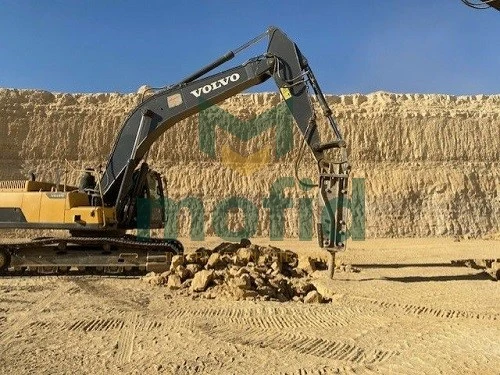
Main uses of phosphate rock:
Production of high-value phosphate fertilizers in agriculture
Production of industrial phosphoric acid
Use in livestock and poultry feed
Use in some chemical and detergent industries
Manufacture of specialized products such as anti-corrosion materials and LFP batteries
Benefits of buying imported phosphate rock:
High purity and accurate analysis
Absence of harmful heavy metals
Can be used in various production lines
Available in bulk, jumbo and bag packaging
Frequently Asked Questions & Supply Terms
-
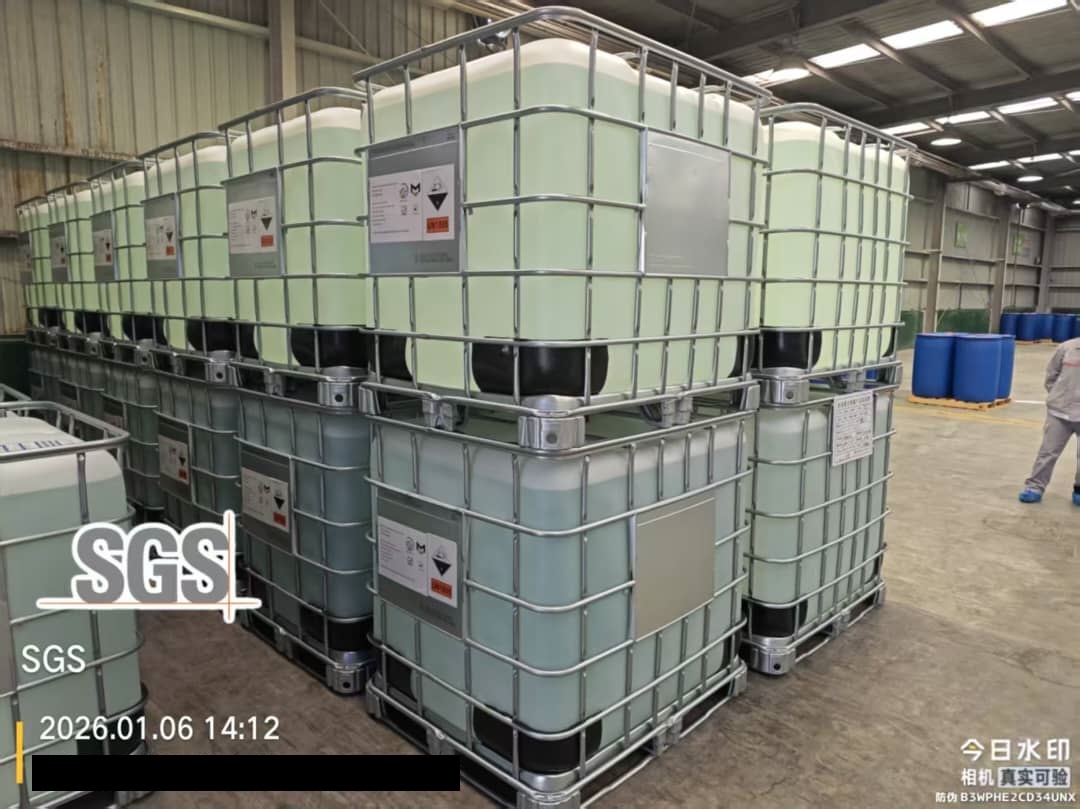
What grades and packaging are available? We supply both 75% and 85% Industrial and Food Grade Phosphoric Acid. Packaging options include 35kg drums, 1.6-ton IBC tanks, and bulk shipments to meet diverse industrial needs.
-
What is the minimum order quantity (MOQ)? For drum and IBC tank packaging, the minimum order quantity is two 20′ containers.
-
How is the pricing determined? Our prices are transparent and aligned with global market benchmarks, including reports from Argus Media, CRU, and other reputable industry publications.
-
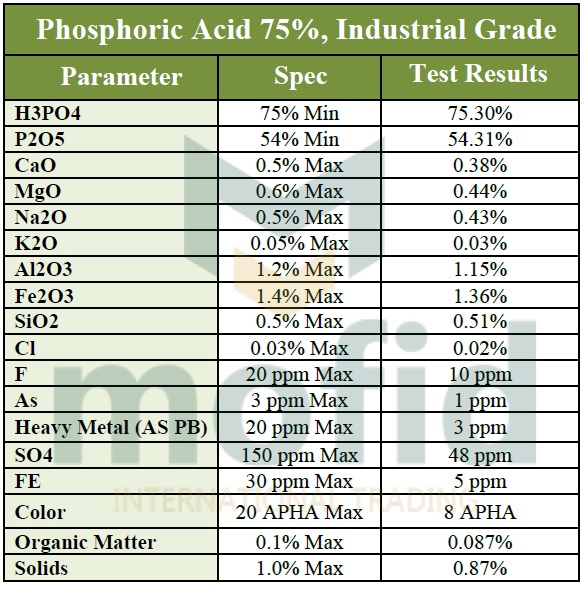
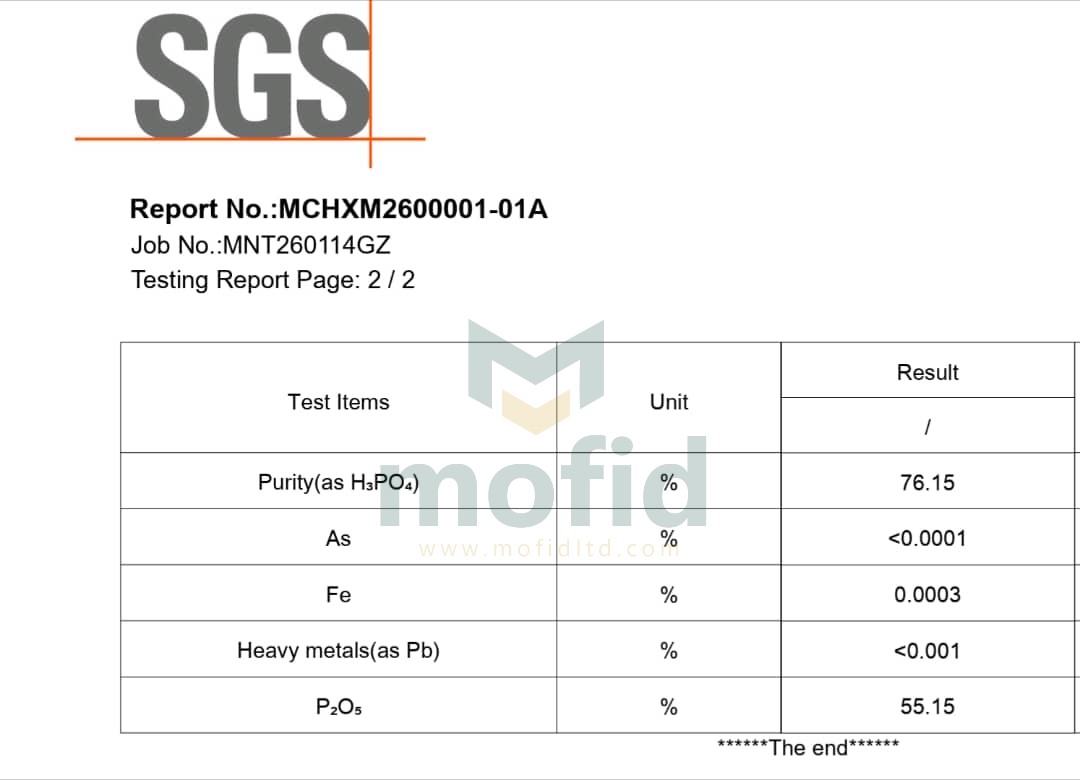
What about quality assurance and inspections? We guarantee that our products match the reference analysis provided on this page. For added security, Third-Party Inspection (TPI) is fully customizable based on the buyer’s request. Furthermore, final contracts include specific clauses for penalties or goods return in case of any quality non-compliance.
-
What is the origin of the Phosphoric Acid? Our products are typically sourced from East Asia and the Mediterranean region. However, our primary commitment is to the product’s ultimate quality and compliance with international standards, regardless of the origin.
We import this product directly and without intermediaries from the most reliable foreign sources and provide it to our customers at a competitive price, along with expert advice and quality assurance.