Phosphate Rock: A Treasure for Agriculture and Industry
Introduction
Phosphate rock is a natural material that contains high amounts of phosphorus, and recognized as one of the world’s most important mineral resources. Phosphorus is one of the three main elements (nitrogen, phosphorus, and potassium) required for plant growth and plays a key role in biological processes such as photosynthesis, energy transfer, and root and seed formation. This mineral is used as a raw material for the production of phosphate fertilizers, animal feed, and industrial products, and is therefore one of the main foundations of global food supply and industrial development. This article reviews the characteristics, applications, extraction processes, challenges, and future of phosphate.
Definition and Characteristics of Phosphate Rock
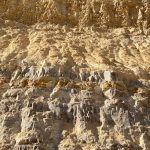
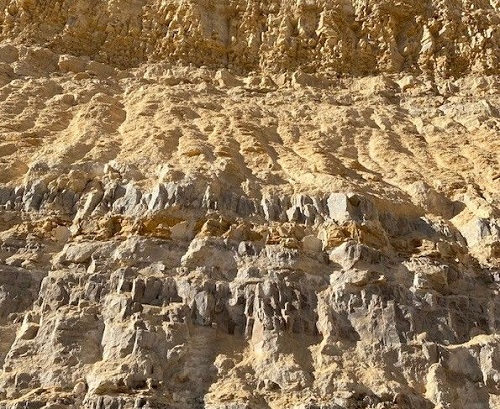
Phosphate Rock or phosphorite refers to rocks or sediments that contain high concentrations of phosphate minerals, especially apatite (Ca5(PO4)3(F, OH, Cl)). Apatite is found in two main types: fluorapatite (containing fluorine) and francolite (carbonate-fluoroapatite). These minerals are usually formed in marine sediments that were formed millions of years ago from the accumulation of organic matter on the ocean floor. About 80 to 90 percent of the world’s Phosphate comes from sedimentary deposits, while igneous deposits (associated with volcanic rocks) and guano (associated with bird droppings) account for a smaller portion.
Phosphate Rock usually contains 20 to 30 percent phosphorus pentoxide (P2O5), which indicates its quality for use in various industries. However, impurities such as iron, aluminum, and calcium carbonate can affect its quality and application.
Phosphate Rock Applications
Phosphate Rock has a wide range of applications in various industries, the most important of which are:
Agriculture and Fertilizer Production: More than 90 percent of the rock phosphate mined is used to produce phosphate fertilizers such as superphosphate, triple superphosphate, and ammonium phosphate. These fertilizers provide the phosphorus needed by plants and help increase the productivity of agricultural products.
Animal Feed: Phosphate rock is used as a supplement to calcium phosphate in livestock and poultry nutrition to improve bone health and animal growth.
Chemical industry: Pure phosphorus and phosphoric acid derived from phosphate are used in the production of detergents, insecticides, fire retardants, and industrial chemicals.
Lithium iron phosphate (LFP) batteries: With the growth of the electric vehicle industry, phosphate has become increasingly important as a source for the production of LFP batteries.
Other applications: Phosphate is used in pharmaceuticals (to produce phosphorus supplements), the food industry (as a preservative), and even in water softeners.
Phosphate Rock, Mining and processing methods
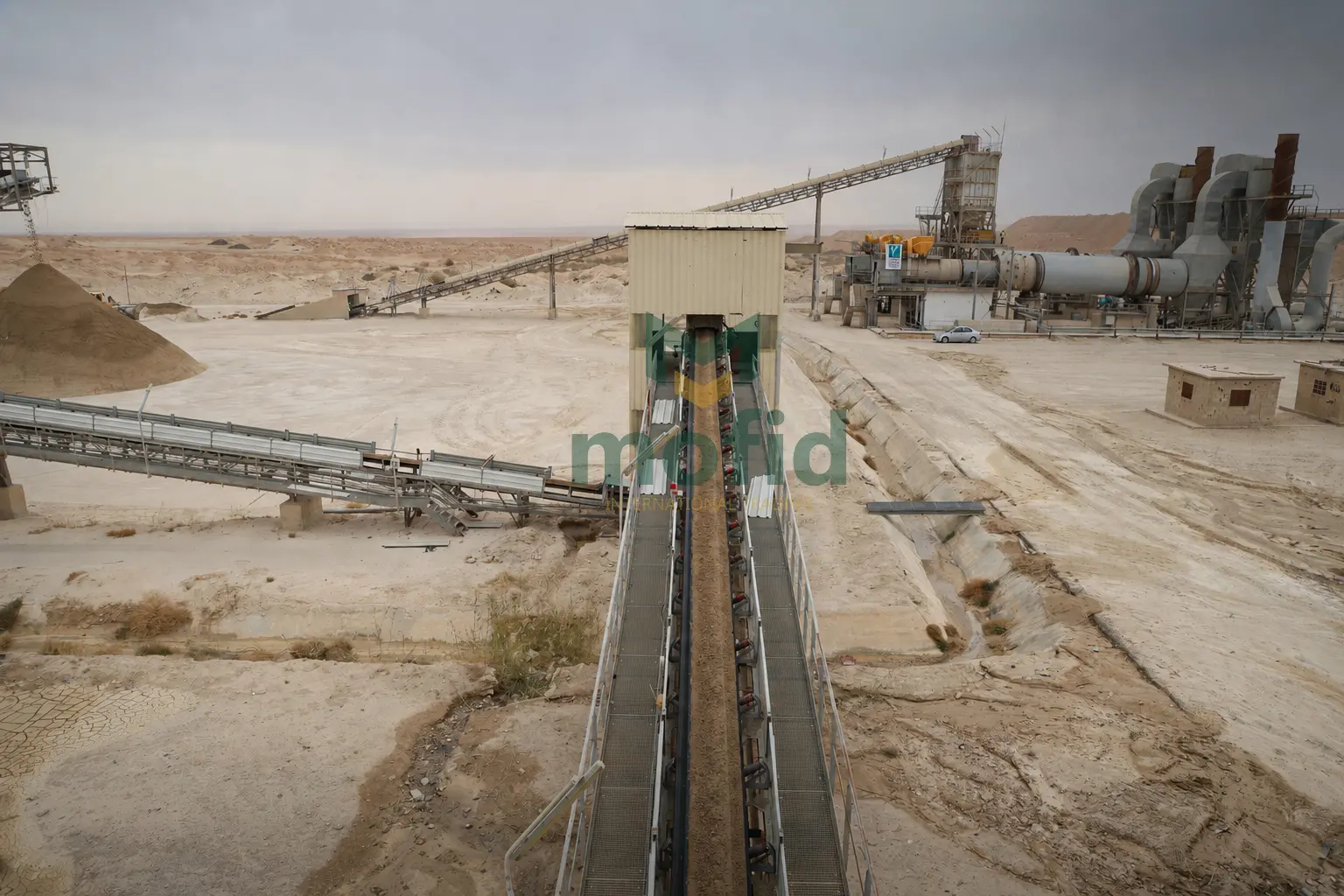
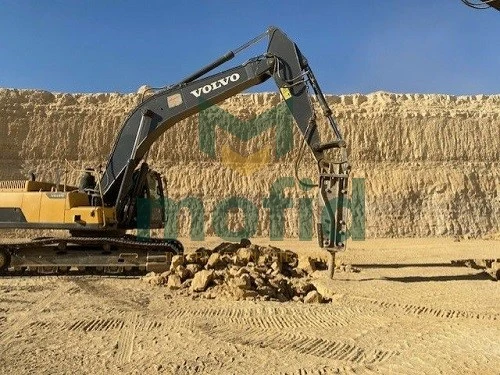
Phosphate rock is usually mined by surface methods (such as using draglines or mechanical excavators), as most phosphate deposits are located in shallow layers on the surface of the earth. In some cases, underground methods are also used, but these methods are less common due to their high cost. After extraction, the phosphate rock is screened, and its impurities are separated. To produce soluble fertilizers, the phosphate is reacted with sulfuric or nitric acid to form phosphoric acid, which is the raw material for many chemical fertilizers.
Global distribution and reserves of Phosphate Rock
According to reports from the United States Geological Survey (USGS), global reserves of phosphate rock are estimated at about 71 billion tons, with Morocco being the largest holder of these resources, with more than 50 billion tons (about 70% of the total reserves). Other countries such as China, the United States, Russia, Jordan, and Egypt are also major producers. In 2021, global production of phosphate rock was about 220 million tons, most of which was used to produce fertilizers.
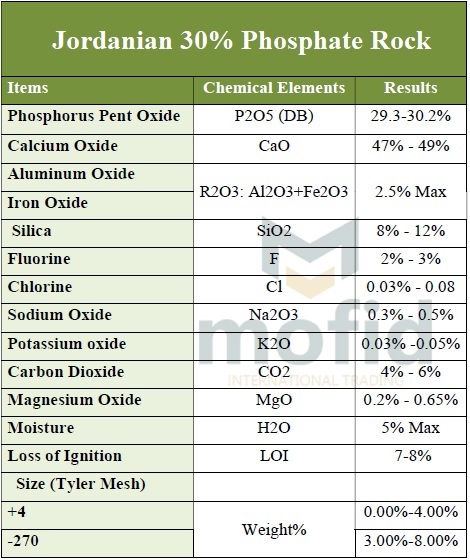
Given current technologies and current consumption rates, it is estimated that economic reserves of phosphate rock will last for at least 300 to 400 years. However, the decline in the quality of reserves (decreasing P2O5 percentage) and the increase in extraction costs may pose challenges in the future.
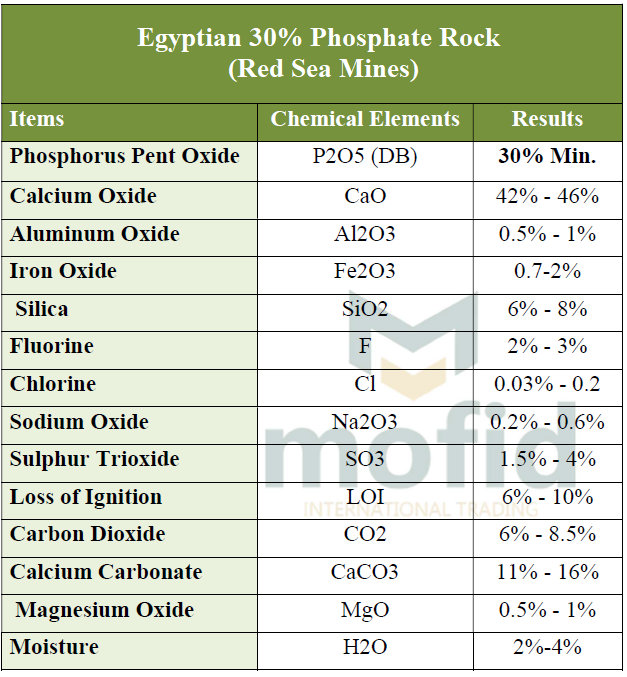
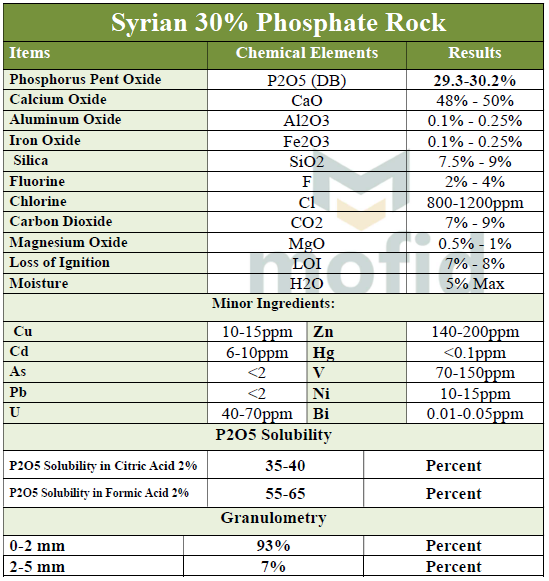
Phosphate rock sourced from the main supplier countries such as Morocco, Syria, Egypt, and Jordan is very popular among farmers and chemical fertilizer companies due to its high quality. This product is supplied in powder or granular form with various purities between 25% and 33% and is used to produce phosphoric acid and fertilizers such as diammonium phosphate (DAP), monoammonium phosphate (MAP), and simple superphosphate (SSP).
Environmental Challenges and Impacts
The extraction and processing of phosphate rock present several environmental challenges:
Waste generation: Phosphate mining produces large amounts of waste (such as tailings and phosphate rock) that can contain hazardous elements such as uranium, radium, and thorium.
Water and soil pollution: Runoff from phosphate fertilizers can pollute surface waters and cause eutrophication (overgrowth of algae).
Energy consumption: Processing processes, especially the production of phosphoric acid, are energy-intensive and can have a high carbon footprint.
To reduce these impacts, companies and researchers are developing ways to recover phosphorus from waste, improve fertilizer use efficiency, and use greener technologies.
Sustainable Management and the Future of Rock Phosphates
Since Rock phosphate is a non-renewable resource, its sustainable management is of particular importance. The following strategies can help to preserve this resource:
Phosphorus recycling: Recovering phosphorus from wastewater, agricultural waste, and human waste can reduce dependence on extraction.
Improving fertilizer efficiency: Using controlled-release fertilizers and precision farming technologies can optimize phosphate use.
Discover our diverse product portfolio:
Raw Materials:
Understanding the critical importance of quality in raw materials, Mofid International Trading Company specializes in providing products with high standards. Our goal is to improve production processes and increase customer productivity by providing raw materials that guarantee the quality of their output product.
Agricultural Fertilizers:
By using chemical fertilizers with precise and scientific formulations, we help in optimal growth and increase the yield of agricultural products. These fertilizers are designed to improve plant nutrition and are an effective step towards sustainable agriculture.
Main uses of Phosphate Rock:
Production of high-value phosphate fertilizers in agriculture
Production of industrial phosphoric acid
Use in livestock and poultry feed
Use in some chemical and detergent industries
Manufacture of specialized products such as anti-corrosion materials and LFP batteries
Benefits of buying imported Phosphate Rock:
High purity and accurate analysis
Absence of harmful heavy metals
Can be used in various production lines
Available in bulk, jumbo and bag packaging
We import this product directly and without intermediaries from the most reliable foreign sources and provide it to our customers at a competitive price, along with expert advice and quality assurance.
Exclusive Supply Offer for International Buyers
Looking for a Reliable Phosphate Rock Supplier? At Mofid Ltd., we leverage our direct access to prime origins in Egypt, Syria, and Jordan to provide you with the most competitive FOB and CFR prices.
Why Partner With Us?
-
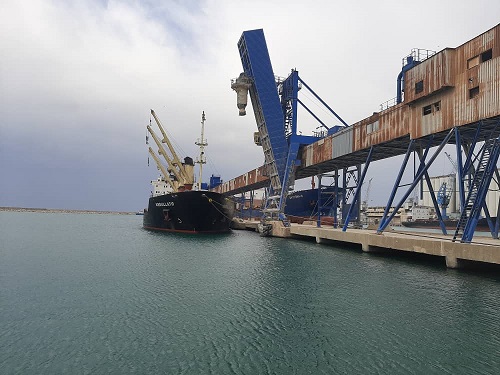
Flexible Shipping: From 540 MT (Containers) to 20,000 MT (Bulk Vessels).
-
Custom Packaging: Options for Bulk, Jumbo Bags, and 50kg bags to suit your infrastructure.
-
Quality Assured: Every shipment is backed by updated chemical analysis (P2O5 grades from 24% to 30%+).
-
Global Logistics: Professional handling of complex shipping routes and documentation.
Get a detailed price estimation and delivery schedule within 48 hours.
Frequently Asked Questions (FAQ)
-
What is the difference between different grades of Phosphate Rock? All grades are standardized based on P2O5 content. The main differences usually lie in minor trace elements or heavy metal concentrations, depending on the origin.
-
Where can I find the product analysis? The detailed chemical analysis and technical specifications for each origin are available in Tables 1, 2, and 3 provided on this page.
-
Can you provide a sample of the phosphate rock? In general, yes. Sending samples is possible provided that the inquiry has reached the operational stage and international courier services have no restrictions on shipping soil/rock samples from the origin.
-
What are the available packaging options?
-
Egyptian Rock: Bulk, Jumbo Bags, and 50kg bags.
-
Syrian Rock: Bulk and Jumbo Bags.
-
Jordanian Rock: Bulk only.
-
-
What is the Minimum Order Quantity (MOQ)? MOQ depends on the destination, packaging, and freight costs. Generally:
-
Bulk shipments: 3,000 MT for nearby destinations, 7,000 MT for medium distances, and up to 20,000 MT for long-haul routes.
-
Containerized shipments: Minimum 20 containers (approx. 540 MT).
-
-
What are the accepted payment methods? Most international payment methods are accepted. However, for smaller shipments, certain methods may not be feasible due to high banking surcharges and additional costs.