Introduction
The late-November Phosphate market reports paint a clear picture of a market moving in different directions:
-
Phosphate rock continues to face downward pressure,
-
Phosphoric acid remains largely stable despite softer feedstock,
-
Phosphate fertilizers (DAP/MAP/TSP/SSP) show only mild movement as buyers adopt a cautious posture.
1) Phosphate Rock – Persistent Downward Pressure
The phosphate rock market remains supply-heavy and demand-light.
Key Signals
-
Spot activity is limited as buyers wait for a clearer price floor.
-
Competitive offers continue in the 30–32% P₂O₅ bracket.
-
Exporters in North and West Africa are increasingly flexible on price to protect market share.
Why the Market Is Weak
-
Competitive pressure among African exporters (Morocco, Senegal, Togo).
-
Reduced buying appetite from China compared with recent monthly averages.
-
Comfortable acid inventories in India, delaying fresh DAP-linked feedstock purchases.
The trend remains firmly bearish unless a major buyer steps in with volume purchases.
2) Phosphoric Acid – Stable Prices, Strong Trade Flows
Even as phosphate rock weakens, PPA and merchant-grade acid markets have held their ground.
Price Performance
-
Industrial- and food-grade phosphoric acid prices show minimal week-on-week change.
-
In key markets such as India, steady cargo arrivals have helped maintain current levels.
Trade Dynamics
-
Strong flows continue from Jordan, Morocco, Senegal, and China into India.
-
Several Asian producers are delaying maintenance due to firm demand for acid.
-
With rock prices softening, stable acid prices provide margin support for integrated producers.
Overall, the acid market is calm, well-supplied, and structurally stable for now.
3) Phosphate Fertilizers – Soft Signals but Limited Reaction
The reports indicate relatively narrow pricing ranges across phosphate fertilizers.
Market Snapshot
-
DAP is mostly unchanged across major origins.
-
MAP and TSP have not fully reflected the recent feedstock weakness.
-
SSP remains influenced by sulfur and rock costs but within a steady band.
Why Prices Haven’t Adjusted Much
-
Seasonal demand in South Asia and Latin America is offering temporary support.
-
Producers prefer to wait for stable trends in rock and acid before revising prices.
-
Forward volumes remain low as buyers stick to essential procurement only.
4) Strategic Takeaways for Market Participants
For Buyers / Importers
-
The phosphate rock market is now a strong buyer’s market — favorable for Q1 2026 coverage.
-
Stable PPA pricing supports predictable operating costs for DAP/NPK producers.
For Producers
-
Falling rock costs may improve short-term margins, especially for integrated acid producers.
-
But fertilizer prices have not yet adjusted, so inventory discipline remains crucial.
For Traders
-
The widening spread between North African FOB and India/China CFR values creates arbitrage opportunities.
-
Year-end typically slows procurement, making price flexibility essential to maintain flows.
5) Conclusion
The market signals an entry into a quiet but fragile equilibrium:
-
Phosphate rock remains clearly bearish,
-
Phosphoric acid is surprisingly resilient,
-
Phosphate fertilizers hold steady but could shift quickly once feedstock trends filter through.
Any adjustment in China’s buying strategy, India’s acid imports, or Morocco’s export allocations could disrupt this balance rapidly. For now, the market is calm — but not guaranteed to stay that way.
What Is Phosphate Rock?
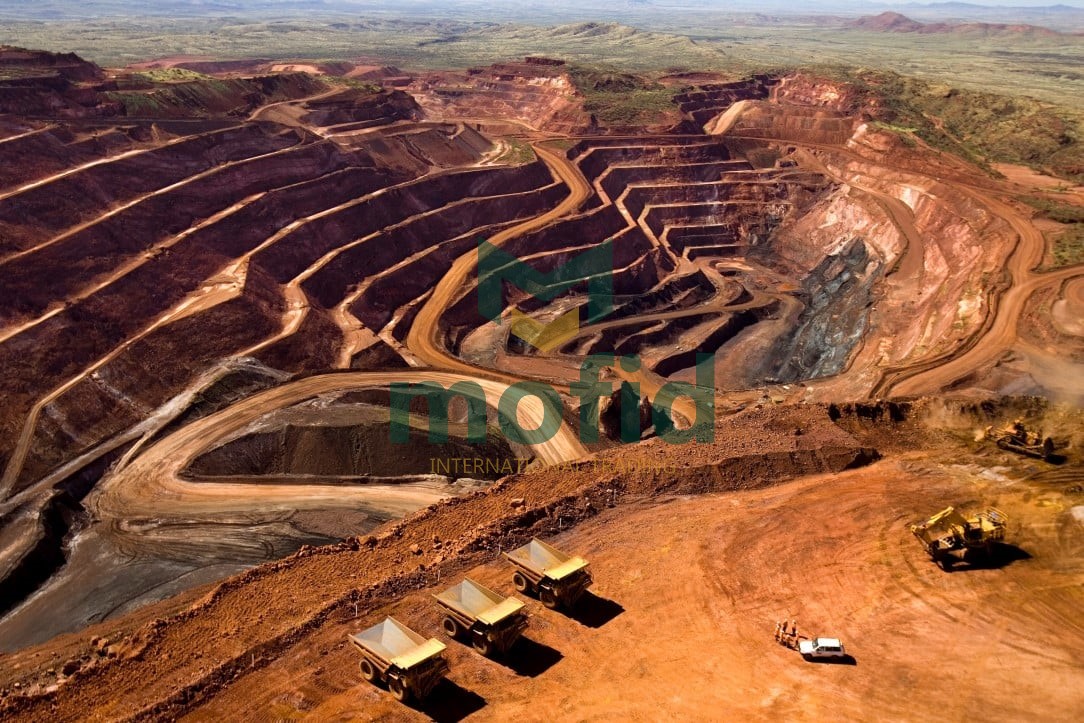
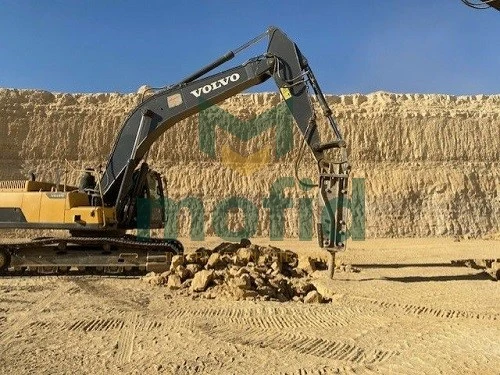
Phosphate rock is a naturally occurring mineral containing significant concentrations of phosphorus pentoxide (P₂O₅). It is the primary raw material used to produce phosphate fertilizers and various chemical products.
Most phosphate rock is extracted from sedimentary deposits and comes in different grades such as 26%, 28%, 30% P₂O₅, and higher.
Geochemically, phosphate rock is rich in apatite minerals and may contain calcium, magnesium, iron, and trace elements. Its purity directly affects the efficiency of chemical processing and fertilizer production—making source selection critically important.
Applications of Phosphate Rock
Phosphate rock is used across several major industries:
1. Fertilizer Production
Over 80% of the world’s phosphate rock is used to produce fertilizers such as:
- DAP (Diammonium Phosphate)
- MAP (Monoammonium Phosphate)
- TSP (Triple Superphosphate)
These fertilizers are essential for improving soil fertility and crop yields.
2. Phosphoric Acid Production
Phosphate rock is the main feedstock for producing both industrial-grade and food-grade phosphoric acid, which is a key building block in numerous chemical and pharmaceutical products.
3. Industrial and Food Applications
Phosphate-derived products are widely used in detergents, animal feed, specialty metals, ceramics, and various chemical industries.
Our Services in Phosphate Rock Supply
In a complex and rapidly evolving global minerals market, we provide comprehensive and professional sourcing solutions for high-quality phosphate rock from top-tier producing regions.
Direct Supply from Leading Origins
We maintain direct access to key producers in Jordan, Egypt, Syria, and West Africa, enabling us to offer the right grade to match your exact requirements.
Flexible Supply Volumes
Whether you need small pilot-scale quantities or large industrial shipments, we offer full logistical capability to support your operations.
Customized Packaging Options
Available packaging includes bulk, jumbo bags, 50-kg bags, or fully customized options.
Reliable, Transparent, and Cost-Effective Delivery
Through partnerships with reputable shipping and clearance providers, we ensure timely, secure, and transparent delivery to your destination.
Contact Us
For expert consultation, market analysis, or sourcing phosphate rock from multiple origins, feel free to reach out to Mofid Ltd anytime.